The Evolution of Messi: A Statistical Analysis of the Legendary Footballer
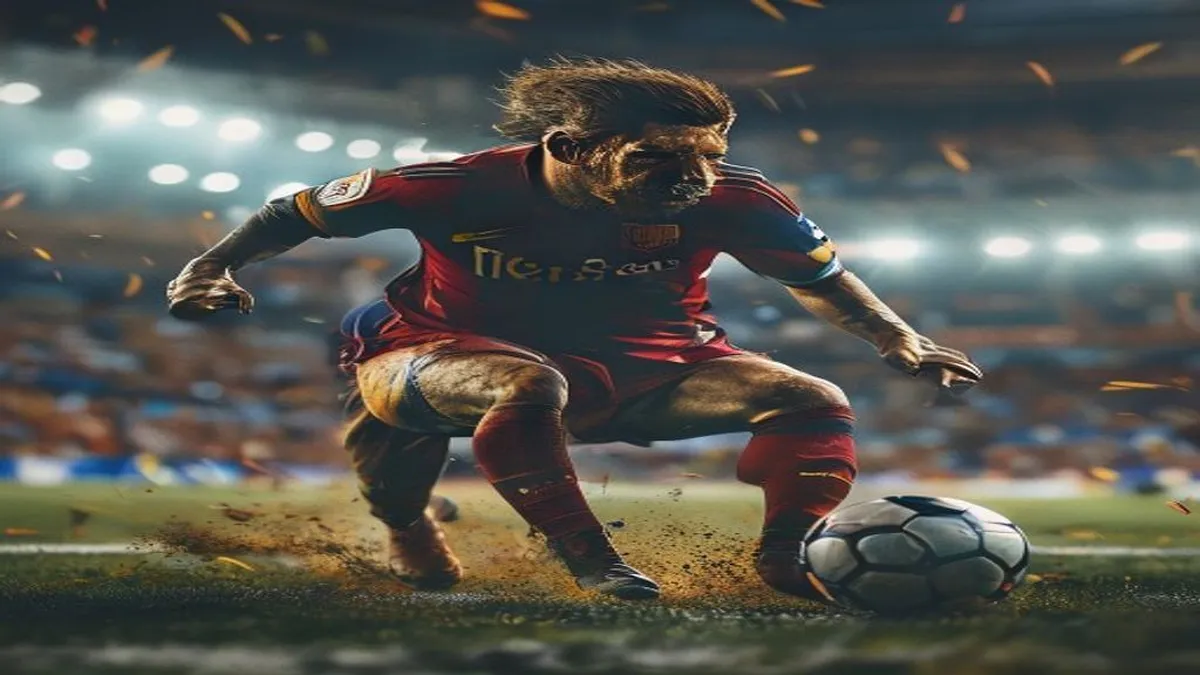
Introduction to the Evolution of a Legend
The World Cup is the pinnacle of international football, and Lionel Messi is one of the most iconic players to have ever graced the tournament. With a career spanning over two decades, Messi has undergone significant transformations, adapting his game to stay ahead of the competition. A recent statistic has revealed that Messi walked for 47% of the World Cup, sparking debate about the evolution of his playing style.
The Early Years: Pace and Power
In his early years, Messi was known for his blistering pace and powerful shots. He would often leave defenders in his wake, using his quick feet and agility to beat opponents. However, as he has grown older, Messi has had to adapt his game to compensate for the loss of pace. This is evident in his increased tendency to walk during games, conserving energy for the moments that matter.
The Evolution of Messi’s Game
Messi’s evolution is a testament to his dedication and willingness to adapt. He has developed a more cerebral approach to the game, using his vision and passing ability to control the tempo of the match. This is reflected in his increased walking time, as he now focuses on positioning himself in areas where he can maximize his impact. The statistic that he walked for 47% of the World Cup is a clear indication of this shift in his playing style.
Tactical Analysis: The Impact of Messi’s Evolution
The evolution of Messi’s game has significant implications for his team’s tactics. With Messi conserving energy by walking, his teammates must be more proactive in pressing the opposition and winning the ball back. This allows Messi to focus on creating scoring opportunities, using his exceptional vision and passing ability to unlock defenses. The increased walking time also means that Messi is more selective in his movements, choosing to expend energy only when necessary.
The Legacy of Messi: A Lasting Impact on Football
As Messi approaches the twilight of his career, his legacy continues to inspire and influence a new generation of footballers. His ability to adapt and evolve has set a high standard for players, demonstrating the importance of dedication and hard work. The statistic that he walked for 47% of the World Cup serves as a reminder that even the greatest players must be willing to change and adapt to remain successful.
Conclusion: The Enduring Legacy of a Football Icon
In conclusion, the evolution of Messi is a fascinating story of adaptation and dedication. From his early years as a pacey and powerful winger to his current role as a cerebral and visionary playmaker, Messi has consistently demonstrated his ability to adapt and thrive. As he looks to the future, it will be exciting to see how Messi continues to evolve, inspiring fans and influencing the game of football for generations to come.
Read More
- England Fans in UK Urged to Follow US Supporters Example in World Cup 2026
- Atlanta Braves News: Ronald Acuna Jr. Begins Rehab Stint, Home Run Derby, More
- England Women’s Cricket Team on Brink of Disaster
Source: Analysis by Luca Romano (Transfer Specialist) based on international reports and Original Story.